RESTAURANT WASTEWATER TREATMENT SYSTEM
* Details:
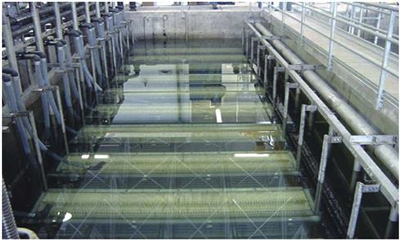
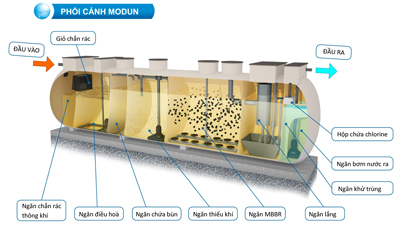
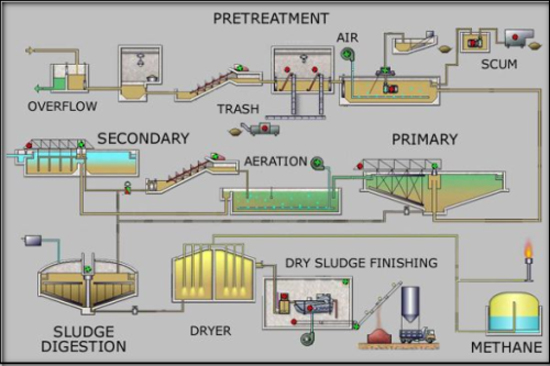
- Waste water from generated areas along the drainage network flows into the collecting pit of the treatment station. Here, to protect equipment and technological pipeline behind, raw trash shield is installed in the pit to remove large-sized impurities from the wastewater.
- Then the waste water will be pumped to the regulating tank. In front of the conditioning tank, put a fine sieve (mesh size of 1 mm) to eliminate smaller sized garbage, reducing SS 15%, then the waste water flows to the conditioning tank.
- In the regulating tank, the mixer will mix the waste water evenly across the tank area, prevent sedimentation in the tank that creates an unpleasant odor, and also regulates the flow and concentration of water. input waste. Waste water from regulating tank is pumped to anoxic tank and aerotank tank group. Anoxic tanks combined with aerotank were ed for general treatment: BOD reduction, nitrification, NH4 + reduction and NO3- reduction to N2.
- With the ion of an activated sludge treatment tank combining an anaerobic, aerobic treatment process, it will take advantage of the amount of carbon when reducing BOD, so there is no need to supply additional carbon from the outside when NO3 is removed. -, save 50% of oxygen when NH4 + denitrification by taking advantage of oxygen from NO3- reduction process.
- Water after anoxic tank - aerotank assembly flows into the sedimentation tank by itself. The sludge is retained at the bottom of the sedimentation tank. A part is circulated to anoxic tank, part is taken to the sludge storage tank. The waste water is then passed through a storage tank to disinfect the water. Wastewater after disinfection gives the receiving source.
Please contact us for more information. We are honored to serve you!