NEODYMIUM MAGNET
1. What is a Neodymium Magnet?
A Neodymium magnet (also known as an NdFeB magnet) is a type of permanent magnet made from an alloy of Neodymium and pure iron. With an energy product of up to 57 MGOe, it is the strongest and most widely used permanent magnet today. Its lightweight nature makes it highly versatile for a wide range of applications.
2. Key Features
→ Maximum Energy: Can reach up to 64 MGOe (source: Wikipedia).
→ Exceptional Strength: The strongest permanent magnet available.
→ Corrosion Resistance: Resistant to oxidation and rust.
→ High Curie Temperature: Withstands up to 312°C.
3. Types of Neodymium Magnets
Neodymium magnets are available in various shapes and sizes to meet the needs of manufacturing and industrial applications. The four most common shapes are: disc, ring, block, and arc.
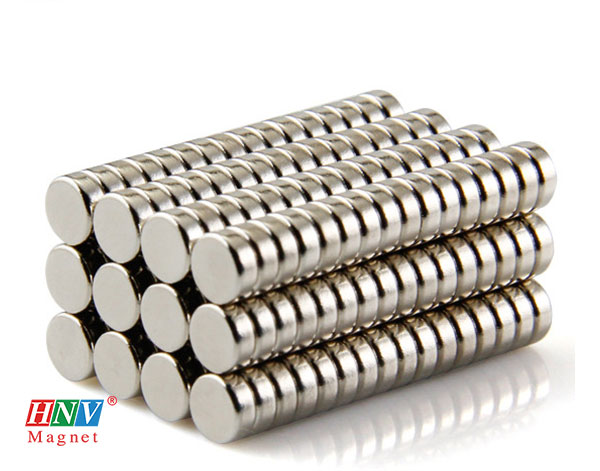
■ Disc Neodymium Magnets
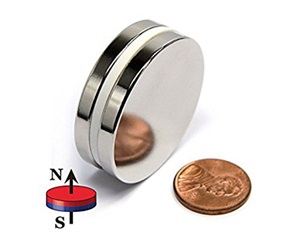
Also called "disk magnets," these are typically designed with a diameter equal to or less than their thickness. They are highly versatile and widely used due to their simple application. The N and S poles are located on opposite flat surfaces, making this type more affordable compared to other shapes.
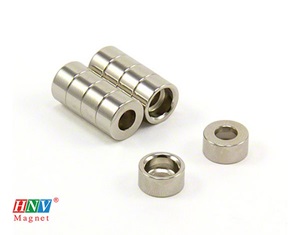
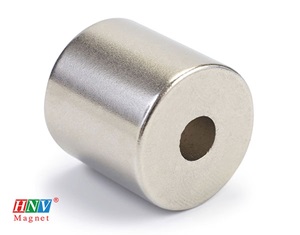
■ Ring Neodymium Magnets
Similar in shape to the disc magnet, but with a hole in the center (size adjustable as needed). These magnets are tailored for specific manufacturing purposes.
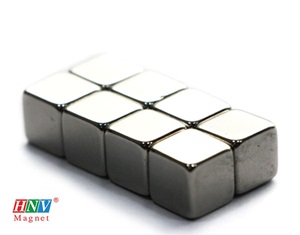
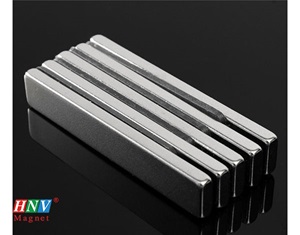
■ Block Neodymium Magnets
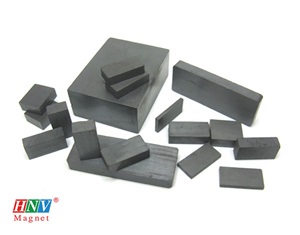
These come in rectangular or square shapes, offering the most variety in types and sizes. The magnetic orientation and strength vary based on the design.
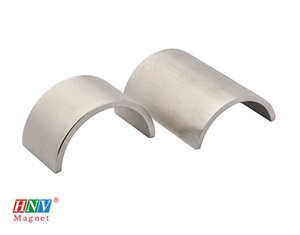
■ Arc Neodymium Magnets
Commonly used in motors and generators, arc magnets are tailored to suit specific technical requirements. They provide flexible customization in size, orientation, and magnetic force.
4. Why Choose Hoang Nhat Vu?
Hoang Nhat Vu is a pioneer in the field of magnets, specializing in wholesale and retail of ISO 9001:2008-certified Neodymium magnets. We offer a comprehensive range of sizes, shapes, and magnetic strengths. Additionally, we provide custom manufacturing services to meet unique client requirements.





.jpg)