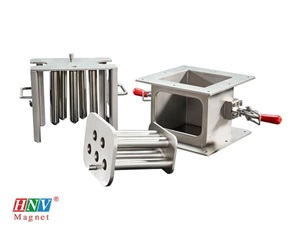
ELECTROMAGNET
An electromagnet is a type of magnet where its magnetic force is generated by the electric current, either direct or alternating. Electromagnets have the best temperature coefficient compared to any other type of material-based magnet, making them the top choice for high-temperature environments.
The biggest advantage of an electromagnet is the ability to quickly change its magnetic force through the control of electric current. However, it requires a stable current to ensure safety during operation. To prevent malfunctions, an uninterruptible power supply (UPS) is essential for electromagnets.
1. History:
In 1825, the electromagnet was first introduced by British scientist William Sturgeon. His electromagnet consisted of a horseshoe-shaped iron core wrapped in coils of wire. When an electric current, powered by a small battery, passed through the coils, the iron core became magnetized, and the generated magnetic field could attract objects weighing up to 200 grams. Once the current was turned off, the magnetic field of the iron core disappeared.
2. How It Works:
When an electrical conductor with multiple coils is connected to a power source, the current generates an electric field in the coils. As the current flows through the coils, the change in the electric field produces a magnetic field that is perpendicular to the electric field.
The magnetic field of the coil behaves like the magnetic field of a permanent magnet, attracting or repelling magnetic materials within the field.
Once the current is turned off, the magnetic field vanishes, and the coil can no longer attract or repel magnetic materials.
Thus, the coil becomes an electromagnet only when the current flows through it. The strength of the magnetic field depends on the coil’s inductance and the current passing through it:
B = LI
The inductance of the coil is directly proportional to its length and the number of turns, while it is inversely proportional to the area of the coil.
3. Applications:
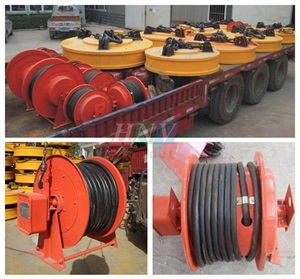
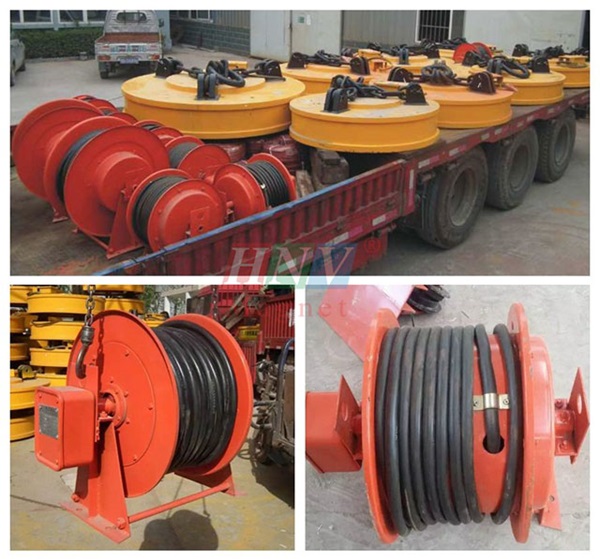
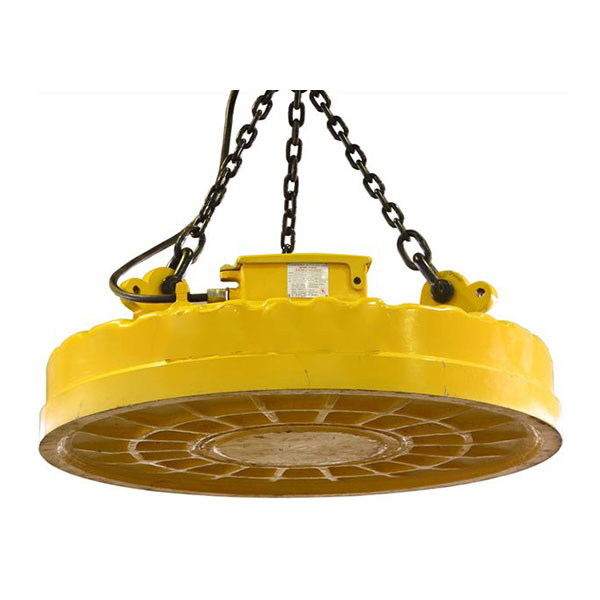
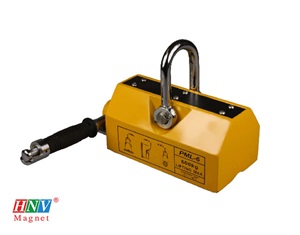
➽ Used for lifting heavy materials in manufacturing industries such as steel production, shipbuilding, and cargo handling at ports.
➽ In medicine, hospitals use MRI (Magnetic Resonance Imaging), a modern diagnostic imaging technique that uses magnetic fields and radio waves to diagnose issues within the patient’s body without the need for invasive surgery.
➽ Electromagnets are also widely used in daily life across various applications


.jpg)