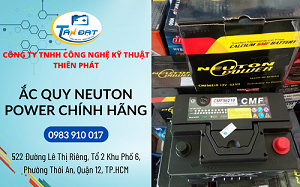
FORKLIFT ACCUMULATORS AND BATTERIES
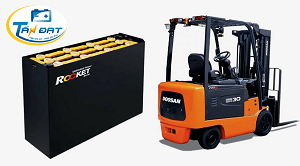
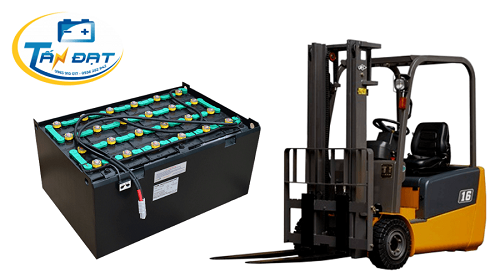
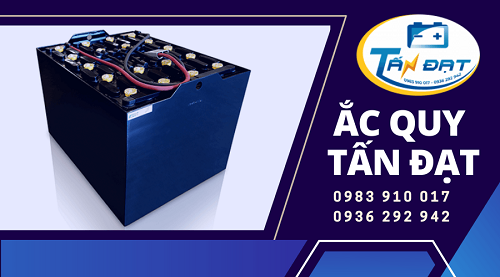
The forklift battery is a crucial component that directly impacts the operation of the entire machine. Over time, the batterys capacity decreases, and wear and tear become inevitable, requiring replacement to ensure continued efficiency.
Functions of a Forklift Battery
A forklift battery stores electrical energy, supplying power to the vehicle’s electrical components and assisting in the operation of the alternator. Since it converts chemical energy into electricity, it is widely used due to its convenience and efficiency.
Key Features of Forklift Batteries
-
Deep Discharge Capability: Forklift batteries are designed for deep and continuous discharge. During charging, the electrolyte level may decrease due to evaporation, so regular monitoring and maintenance are essential.
-
Capacity Selection: Choosing the right battery depends on the forklifts power requirements and workload. A battery with insufficient capacity may not sustain operations for the needed duration.
-
Weight Considerations: Higher-capacity batteries can serve as counterweights, improving the stability and safety of the forklift.
-
Battery Lifespan: The average forklift battery lasts betweenف,400 to 1,600 charge cycles under standard conditions. After exceeding this limit, capacity declines, leading to performance issues. Regular inspections and timely replacements ensure smooth operation.
Signs That a Forklift Battery Needs Replacement
-
Shortened operation time or slow startup.
-
Battery charges unusually fast or fails to reach full charge.
-
Flickering or unstable dashboard lights and signals.
-
The battery becomes excessively hot during charging, with visible swelling or deformation.
-
Corrosion at the terminals.
-
Electrolyte levels ping too low.
-
Battery explosion risk due to internal failure.
Proper Usage & Maintenance of Forklift Batteries
-
Choose a battery that matches the forklift’s power requirements as recommended by the manufacturer.
-
Recharge the battery when it reaches㺔% capacity—never wait until it is almost completely drained.
-
Use an appropriate charger for the battery type. A full charge typically takesو–10 hours, and it is best to wait㺞–60 minutes after charging before using the forklift.
-
Regularly inspect cables for damage or leaks.
-
Check for acid leakage or cracks in the battery casing.
-
Monitor electrolyte levels and top up with distilled water when needed—avoiding overfilling to prevent spillage during charging.
-
Conduct periodic acid concentration checks, which should be performed by a qualified technician.
Important Precautions When Replacing a Forklift Battery
-
Safety First: Avoid wearing metal accessories (rings, bracelets, watches) while replacing the battery to prevent electrical hazards.
-
Compatibility Matters: Each forklift has specific power requirements, so ing the correct battery type is crucial.
-
Trusted Suppliers: Always purchase from a reputable supplier to ensure high-quality, genuine batteries, as low-quality replacements can reduce efficiency and lead to costly repairs.
For expert consultation and competitive pricing, contact us today!


.png)