THIN PLYWOOD
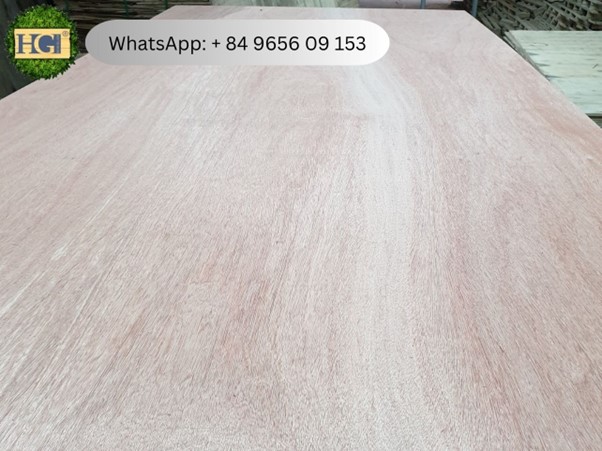
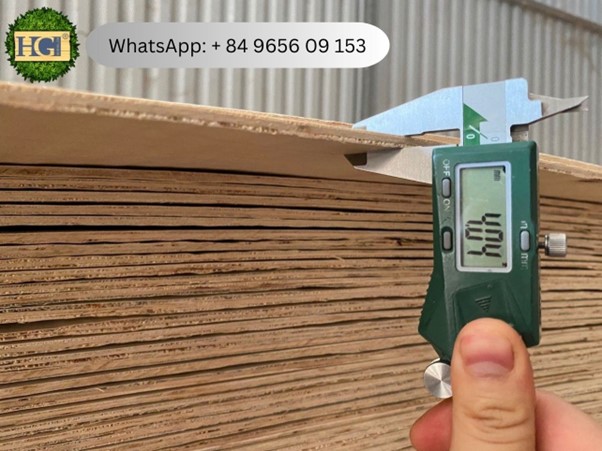
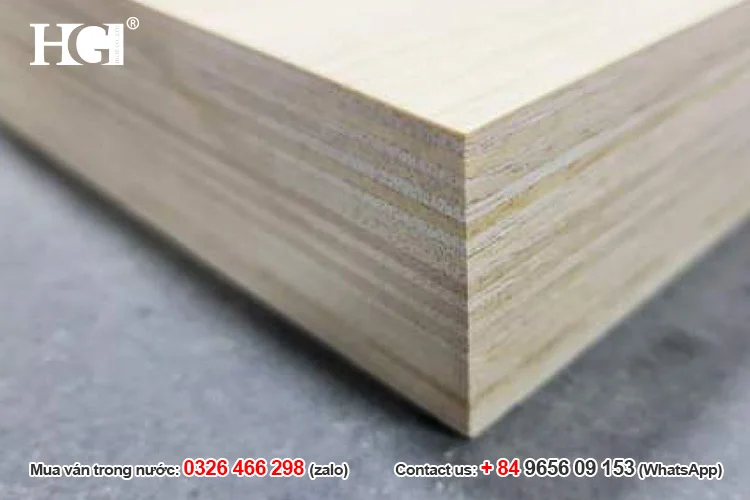
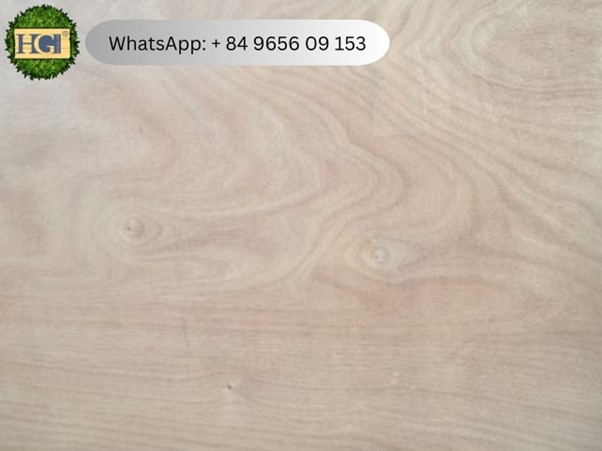
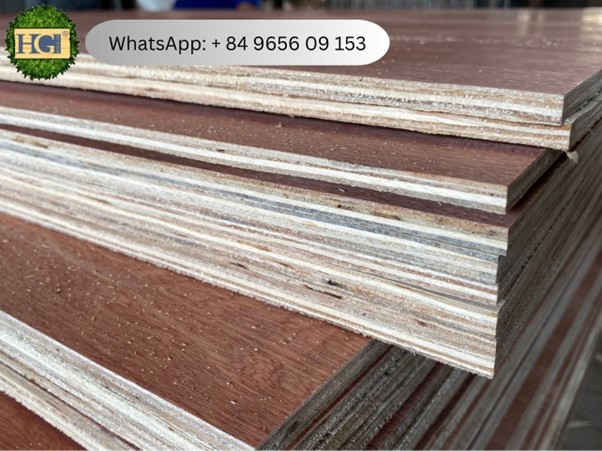
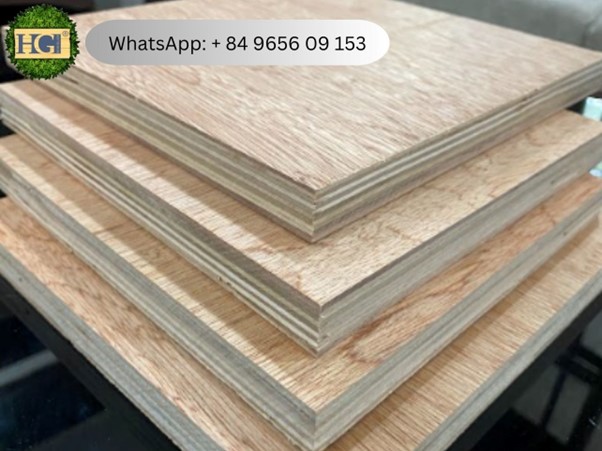
Thin plywood has the same structure as standard plywood but a thickness range of 2 to 5 mm. One or two veneer layers joined together with adhesive glue create thin plywood. Additionally, an extra layer is applied to the boards surface that helps protect it from scratches.
Thickness is the primary distinction between thin plywood and other types of plywood. Thanks to its low price and high durability, thin plywood is widely used in todays world.
➦ In terms of features, thin plywood also has its own advantages:
- The layers of wooden planks are arranged in a 90-degree perpendicular direction, alternating with each other.
- The minimum number of wood layers in a standard sheet of thin plywood is 3.
- Can be bent to a certain extent.
- There are no holes in the solid board core.
➦ Currently, H&G is producing the following types of thin plywood:
- 2mm thin plywood
- 2.5mm thin plywood
- 3mm thin plywood
- 4mm thin plywood
- 5mm thin plywood
➦ Because thin plywood is thin in its initial place, you should be mindful of the following when utilizing it:
- Dont cut plywood with a saw. The saw blade will split and crack the boards cross section. Thus, we should minimize the use of saws and substitute them with high-pressure water jets or lasers for cutting plywood.
- If drilling plywood, you have to mark the spot beforehand and drill through both sides of the board. Apply more specific glue to the drill hole after drilling.
- Avoid placing plywood directly on the ground since this can shorten the materials lifespan.
- Keep the plywood dry and store it somewhere with moderate humidity and temperatures.
- Avoid placing heavy or bulky things on the plywood, as this may cause it to warp.
➦ Contact us:
If you are interested in plywood, please dont hesitate to contact us: