SUGAR CANE WASTEWATER TREATMENT
1. Characteristics of wastewater and pollution parameters
- Sugarcane industry wastewater often comes from sources such as:
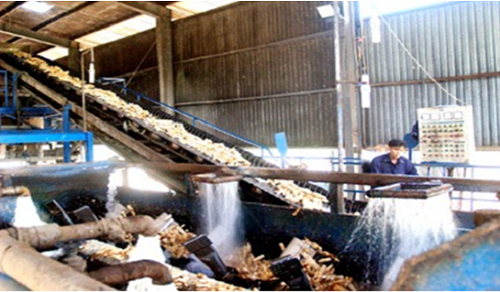
+ From the crushing process and the cooling process of the presses
+ In the process of washing, cooling and washing factory equipment
+ There is also a quantity of wastewater from the staff of the factory
- Table of compositions for sugarcane wastewater:
|
Targets
|
Pollution content
|
|
BOD
|
mg/l
|
16000 - 5000
|
|
COD
|
mg/l
|
2700 - 7000
|
|
TSS
|
mg/l
|
1250
|
|
Total nitrogen
|
mg/l
|
16.4
|
|
Total phosphorus
|
mg/l
|
6.0 -7.5
|
2. Wastewater treatment process
- The collected wastewater will pass through the trash rack to pre-filter before being pumped into the regulating tank.
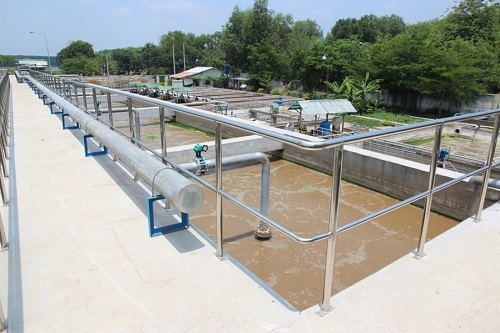
- In the regulating tank: water will be provided with an aeration system to ensure the wastewater flow, stabilize the pollution parameters, as well as re-check the pH before flowing into the biological tank.
- In UASB tank: a large amount of BOD and phosphorus will be treated by the microbiota here.
- The water after treatment will be pumped further through the biological tank.
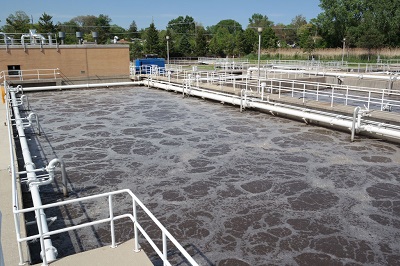
- The rest of the water will be passed through Aerotank tanks to treat COD and the remaining organic matter in the water.
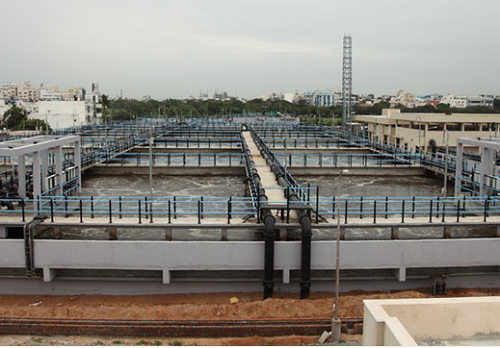
- After the Aerotank tank water has passed, it will automatically flow into the sedimentation tank and filter the pressure to completely remove the remaining sludge and solids, and then will be disinfected with chlorine before being discharged into the environment.
- With this system, the water after treatment reaches grade A according to QC40 / 2011 - BTNMT.
Please feel free to contact us if you need any further information!