LIVESTOCK WASTEWATER TREATMENT
1.General description
- Livestock wastewater is one of the typical wastewater types, with high potential to pollute the environment with the content of organic matter, N, P and pathogenic organisms.
- It must be disposed of before being released into the environment. Choosing a wastewater treatment process for a livestock establishment depends heavily on the composition and characteristics of the wastewater.
- The ion of the cleaning method and the water treatment process ion depend on factors such as:
+ Requirements for water technology and sanitation.
+ Wastewater flow.
+ Farm conditions.
+ Processing efficiency.
2. Handling methods
- Mechanical treatment method
- Physical and chemical treatment method
- Biological treatment method
3. Steps to treat livestock wastewater
- Wastewater from the barn is collected to the collection lake and from there pumped into the Biogas tunnel.
- Biogas post-tunnel wastewater reduces BOD content by about㺲% and SS, and water continues to move through the next treatment tanks.
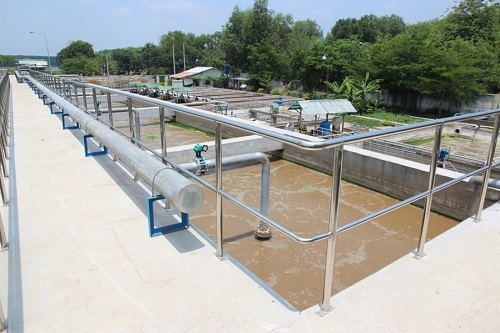
- Wastewater is pumped through two main treatment tanks. In these two tanks, organic substances, nitrogen, and phosphorus oxidation.
- Finally, water can be used from the lake for different purposes such as watering plants, watering vegetables, etc
- Water from this lake is partly pumped through the disinfection tank before being discharged out. Here the wastewater is almost completely clean.
4. Advantages
- With a team of experienced engineers and technical staff in the field of design and construction of livestock wastewater treatment systems, we will survey and design for the farm with the lowest cost.
- To save costs, the investor supports the construction according to our design requirements.
Should you need any further information, please do not hesitate to contact us!