INDUSTRIAL SOLID SLUDGE TREATMENT SERVICES IN VIETNAM
Industrial solid sludge and semi-solid residues can accumulate during manufacturing, industrial processing and wastewater treatment operations. Depending on their composition and physical properties, these materials may require specialized handling, separation, treatment or disposal to prevent environmental contamination and maintain safe working conditions.
Song Cong Service Trading Co., Ltd. provides industrial waste management services to support businesses in handling production waste appropriately. For industrial solid sludge, suitable service arrangements should be determined according to waste origin, composition, classification, volume and applicable treatment requirements.
Understanding Industrial Solid Sludge
Industrial solid sludge refers to solid or semi-solid residues generated by certain industrial processes and waste treatment activities. Its characteristics vary depending on the production materials, wastewater composition and processes involved.
Common sources may include:
- Residues from industrial wastewater treatment systems.
- Solid deposits generated during manufacturing and processing.
- Sludge containing separated suspended solids from industrial operations.
- Semi-solid residues accumulated in tanks, settling systems and production areas.
- Industrial treatment residues requiring further assessment before recovery or disposal.
Identifying the source and composition of industrial sludge is essential for determining the appropriate management method. Materials that contain hazardous substances must be classified and handled according to the requirements applicable to hazardous waste.
Industrial Solid Sludge Treatment Solutions
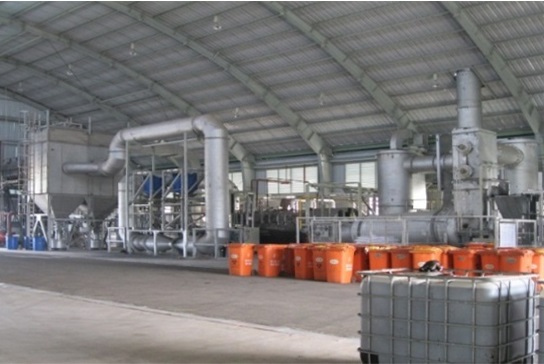
There is no single treatment method suitable for all types of industrial solid sludge. The appropriate solution depends on the physical and chemical properties of the material, its moisture content, potential contaminants and the capabilities of the authorized receiving facility.
Depending on the waste characteristics, relevant treatment options may include:
1. Solid-Liquid Separation and Dewatering
Suitable mechanical processes can separate liquid from solid components, reducing moisture content and potentially making sludge easier to handle, store and transport.
2. Physical Separation and Sorting
Where appropriate, separation processes can help distinguish different material fractions and prepare the waste for further treatment or recovery.
3. Stabilization and Solidification
Certain residues may require stabilization or solidification to reduce the mobility of contaminants and support subsequent management, where the method is suitable for the waste composition.
4. Resource Recovery and Recycling
Some industrial residues may contain recoverable materials. Recovery options depend on material quality, contamination levels, technical feasibility and applicable environmental requirements.
5. Appropriate Final Treatment or Disposal
Sludge that cannot be recovered may require an approved treatment or disposal route based on its classification and characteristics.
The ed treatment method must be appropriate for the specific waste stream and comply with applicable environmental regulations.
Industrial Sludge Collection, Handling and Transportation
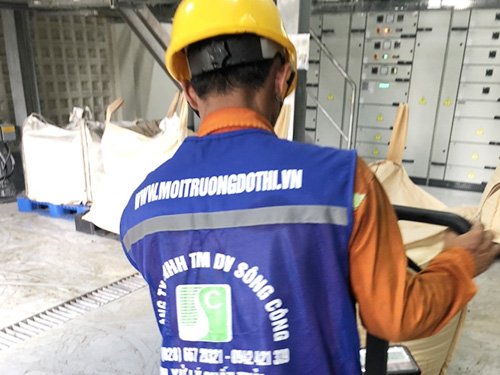
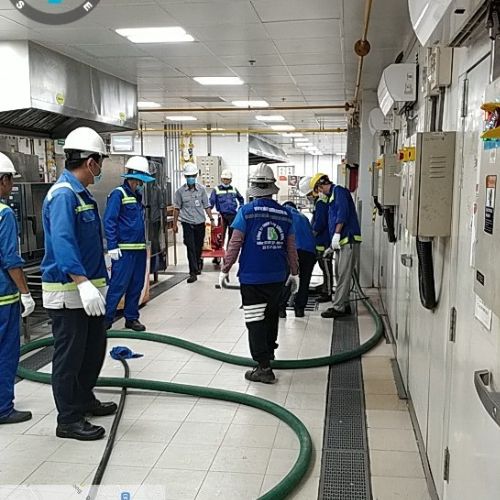
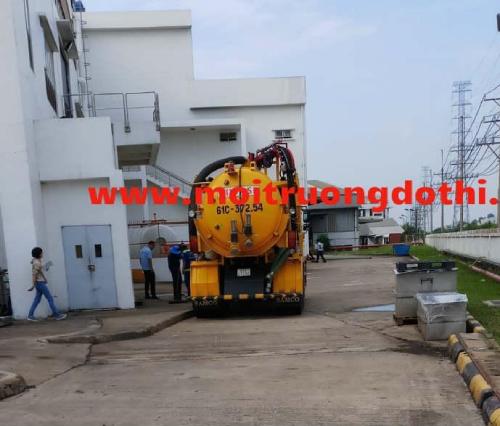
Before treatment, industrial solid sludge must be collected, contained and transported in a manner suitable for its physical condition and classification.
A practical waste management arrangement should consider:
- The estimated quantity and frequency of sludge generation.
- The moisture content, consistency and handling characteristics of the material.
- Suitable containers or containment systems.
- Access to the collection area and transportation requirements.
- Potential leakage, spillage or exposure risks.
- The classification of the waste and the requirements of the receiving treatment facility.
Proper handling helps businesses organize waste storage areas, reduce the risk of contamination and coordinate subsequent treatment more efficiently.
Key Factors in Selecting an Industrial Solid Sludge Treatment Service
Choosing an appropriate treatment solution requires more than identifying the volume of sludge generated. Businesses should evaluate several important factors before arranging a service.
- Waste Composition: Determine the source of the sludge and identify relevant physical or chemical characteristics.
- Waste Classification: Establish whether the sludge is ordinary industrial waste or hazardous waste requiring specialized management.
- Moisture Content and Physical Condition: Assess whether dewatering, separation or other preliminary processes may be necessary.
- Treatment Compatibility: Confirm that the intended treatment method is suitable for the material and that the receiving facility is authorized to handle the relevant waste category.
- Collection and Transportation Requirements: Consider the distance, handling equipment, storage conditions and collection frequency.
- Documentation Requirements: Prepare and maintain applicable waste transfer, transportation and treatment records in accordance with the relevant requirements.
These considerations help businesses develop a more appropriate waste management plan and avoid using unsuitable treatment methods.
Benefits of Proper Industrial Solid Sludge Management
Effective industrial sludge management can support cleaner production areas, more organized waste storage and better control over environmental risks.
Reduced Waste Accumulation: Appropriate collection arrangements help control the buildup of sludge in designated storage areas.
Improved Handling Efficiency: Understanding sludge characteristics helps businesses suitable collection equipment and transportation arrangements.
Environmental Risk Control: Appropriate containment and treatment help reduce the risk of uncontrolled discharge and contamination.
Potential Resource Recovery: Suitable sludge streams may offer opportunities for material recovery or recycling after assessment.
Better Waste Management Planning: Coordinated collection and treatment support more systematic industrial waste management.
Support for Environmental Compliance: Appropriate classification, treatment and documentation help businesses manage waste in line with applicable regulations.
Industrial Solid Sludge Treatment for Factories and Manufacturers
Song Cong Service Trading Co., Ltd. supports business customers seeking industrial waste collection, transportation and treatment services.
Industrial solid sludge management may be relevant to:
- Manufacturing plants and industrial factories.
- Facilities operating industrial wastewater treatment systems.
- Industrial processing and production businesses.
- Enterprises generating solid or semi-solid production residues.
- Businesses requiring suitable collection and treatment arrangements for industrial waste.
Service requirements can be discussed based on the sludge source, estimated quantity, storage conditions, collection location and required treatment route.
Contact Song Cong for Industrial Solid Sludge Treatment
Managing industrial solid sludge appropriately starts with identifying the waste characteristics and determining a suitable treatment route.
Contact Song Cong Service Trading Co., Ltd. to discuss your industrial sludge management requirements and explore suitable collection, transportation and treatment arrangements in Vietnam.
Please provide information about the sludge source, estimated volume, physical condition and current storage arrangements to support an initial service assessment.
Website: www.dichvudothi.com
Song Cong Service Trading Co., Ltd. – Industrial waste management solutions for responsible sludge handling and treatment.