NON-HAZARDOUS INDUSTRIAL SLUDGE COLLECTION AND TREATMENT SERVICES IN VIETNAM
Industrial sludge is commonly generated during wastewater treatment, manufacturing, production and other industrial operations. When sludge accumulates without proper management, it can create storage difficulties, unpleasant odors, hygiene concerns and potential environmental risks. Businesses therefore need suitable collection, transportation and treatment solutions to manage industrial sludge effectively.
Song Cong Service Trading Co., Ltd. provides industrial waste management services, including the collection, transportation and treatment of non-hazardous industrial sludge, subject to the applicable service scope and waste classification. We support factories, manufacturing facilities and businesses in arranging appropriate sludge management solutions based on waste characteristics, quantities and operational requirements.
Industrial Sludge: A Waste Management Challenge for Factories
Industrial sludge may arise from wastewater treatment systems, sedimentation tanks, production processes and industrial cleaning activities. Its composition and moisture content vary depending on the source and materials involved in production.
Common challenges associated with industrial sludge include:
- Sludge accumulation in wastewater treatment systems and designated storage areas.
- High moisture content, which can increase handling and transportation requirements.
- Difficulties in maintaining clean and organized production facilities.
- The need to identify suitable collection schedules and treatment methods.
- Requirements for appropriate waste classification, transportation and disposal documentation.
Proper industrial sludge management helps businesses maintain operational efficiency while reducing the risks associated with uncontrolled waste accumulation.
Types of Non-Hazardous Industrial Sludge We Can Discuss
The suitability of collection and treatment services depends on the origin, composition and classification of the sludge. Potential service requirements may include:
1. Wastewater Treatment Sludge
Sludge generated during physical, chemical or biological wastewater treatment at industrial facilities. Its properties depend on the wastewater source and treatment processes.
2. Manufacturing Process Sludge
Sludge produced during industrial processing, production and related operations. The composition must be assessed to determine the appropriate handling and treatment requirements.
3. Sedimentation and Settling Sludge
Solid residues accumulated in settling tanks or separation systems during industrial operations. Collection arrangements depend on sludge consistency, volume and accessibility.
4. General Industrial Sludge
Other sludge streams classified as non-hazardous industrial waste, subject to appropriate assessment and applicable regulations.
Waste classification is an essential step before arranging collection and treatment. Sludge suspected of containing hazardous substances must be assessed and managed under the requirements applicable to hazardous waste rather than automatically treated as ordinary industrial sludge.
How Song Cong Supports Industrial Sludge Management
For businesses seeking non-hazardous industrial sludge collection and treatment in Vietnam, coordinating the service according to actual waste conditions is important.
Song Cong can discuss service requirements with customers to determine an appropriate arrangement for their facilities.
Sludge Collection Arrangements
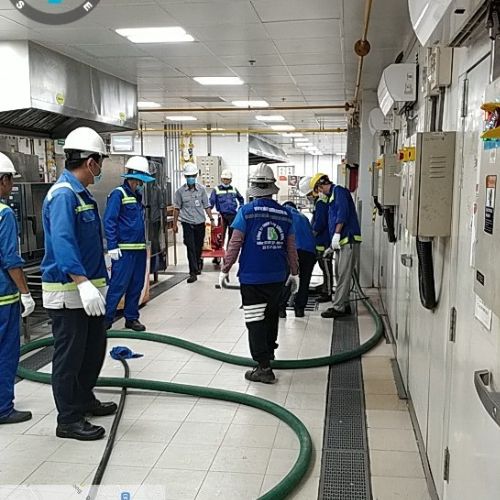
Collection requirements can be discussed according to sludge volume, storage conditions, collection frequency and access to the collection point. Proper preparation helps facilitate handling and reduce disruption to production activities.
Transportation Coordination
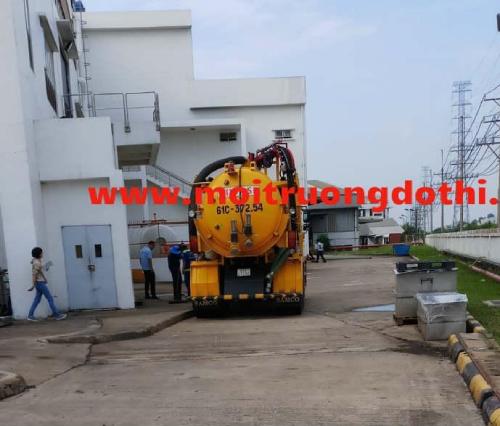
Transportation arrangements should account for sludge consistency, moisture content, containment requirements and the distance to the designated receiving facility. Appropriate handling helps reduce the risk of leakage and spillage.
Suitable Treatment and Disposal
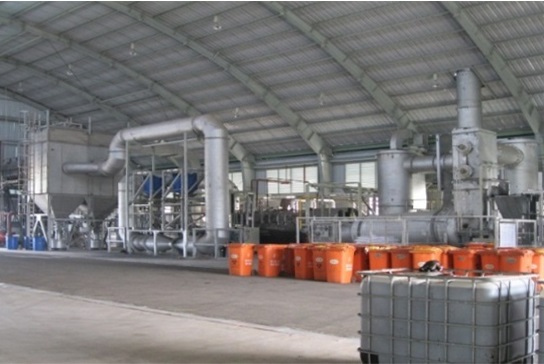
The appropriate treatment or disposal route depends on sludge composition, classification and the receiving facilitys permitted capabilities. Assessment helps determine whether further separation, dewatering, recovery or another approved treatment method is appropriate.
Waste Management Documentation
Businesses may need relevant records of waste classification, collection, transfer and treatment to support their environmental management responsibilities. Documentation requirements depend on the waste category, service arrangement and applicable regulations.
What Determines an Effective Industrial Sludge Treatment Plan?
There is no single treatment method suitable for every type of industrial sludge. A practical service plan should consider the following factors:
- Waste Origin: Whether sludge comes from wastewater treatment, manufacturing or another industrial process.
- Waste Classification: Whether the material qualifies as non-hazardous industrial waste or requires hazardous waste management.
- Sludge Characteristics: Moisture content, solid composition and other relevant physical or chemical properties.
- Waste Quantity: The estimated volume generated per collection period.
- Storage and Access Conditions: The location of sludge storage areas and the equipment required for collection.
- Treatment Requirements: The treatment or disposal route permitted for the specific waste stream.
Considering these factors helps businesses coordinate collection and an appropriate waste management solution for their operational needs.
Benefits of Professional Industrial Sludge Collection and Treatment
Engaging a suitable service provider can help factories manage sludge more systematically and maintain better control over production waste.
Improved Facility Cleanliness
Regularly arranged collection helps control sludge accumulation in designated storage areas and supports cleaner working environments.
Better Waste Management Planning
Coordinated collection schedules help businesses plan storage capacity, allocate resources and organize waste handling activities.
Reduced Environmental Risks
Appropriate containment, transportation and treatment help minimize the potential for sludge leakage, uncontrolled disposal and environmental contamination.
More Efficient Operations
Organized sludge management can reduce interruptions associated with waste accumulation and help production facilities maintain their routine activities.
Support for Environmental Responsibilities
Appropriate waste classification, transfer arrangements and treatment documentation help businesses manage their environmental obligations more effectively.
Industrial Sludge Collection and Treatment for Business Customers
Song Cong Service Trading Co., Ltd. works with business customers seeking industrial waste collection, transportation and treatment services.
Potential customers include:
- Manufacturing plants and industrial factories.
- Facilities operating industrial wastewater treatment systems.
- Processing and production businesses.
- Enterprises generating non-hazardous industrial sludge.
- Businesses requiring scheduled sludge collection and suitable treatment arrangements.
Service requirements can be discussed according to the type of sludge, estimated quantity, collection location and required frequency.
Request an Industrial Sludge Treatment Service
If your factory generates sludge from wastewater treatment or industrial production, appropriate collection and treatment can help maintain cleaner facilities and support responsible waste management.
Contact Song Cong Service Trading Co., Ltd. to discuss your non-hazardous industrial sludge collection and treatment requirements in Vietnam.
Provide information about the sludge source, estimated quantity, collection location and current storage conditions to help determine a suitable service arrangement.
Website: www.dichvudothi.com
Song Cong Service Trading Co., Ltd. – Industrial sludge collection, transportation and treatment solutions for responsible waste management.