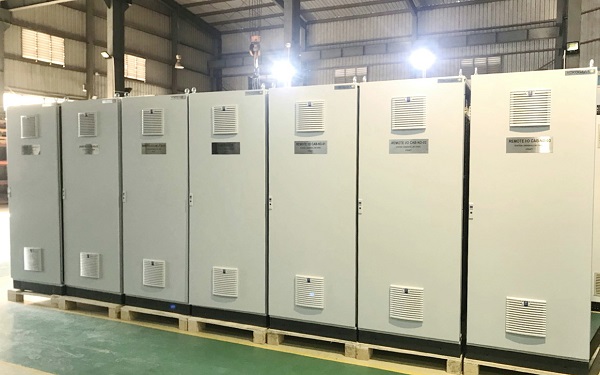
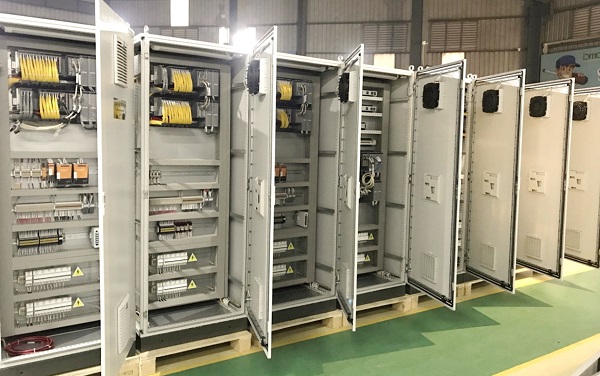
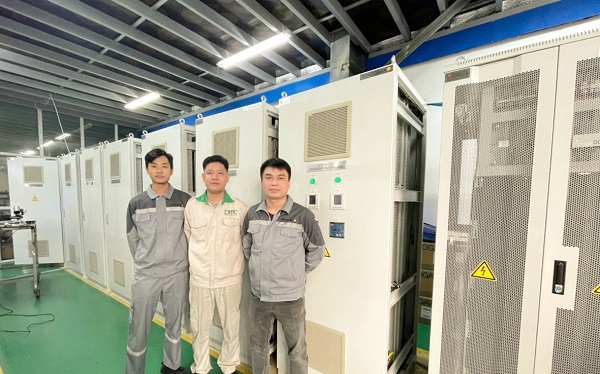
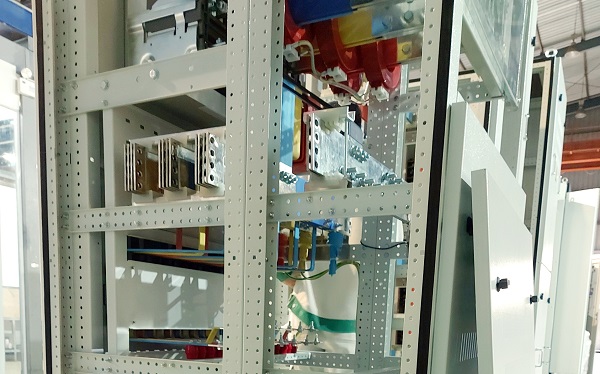
PLC Control Panel
Introduction to PLC Control Panels:
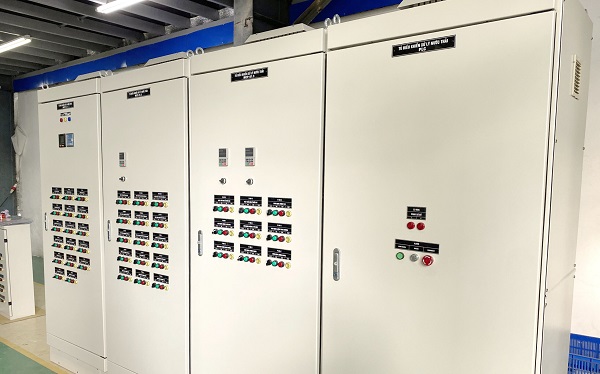
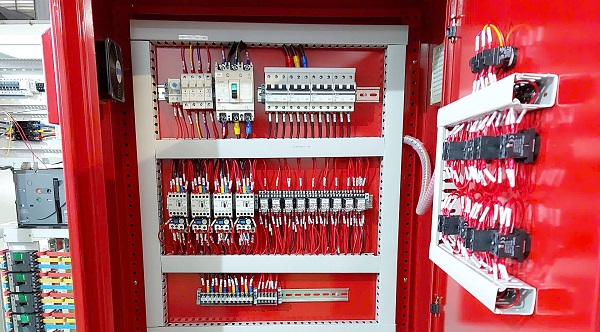
PLC (Programmable Logic Controller) control panels are essential components in the automation systems of factories, production lines, and various industrial applications. These panels integrate advanced control devices, enabling efficient, precise, and automated management of production processes.
How PLC Control Panels Work:
Acting as the central brain of the system, PLC control panels receive input signals from sensors and measuring devices. These signals are processed according to pre-programmed instructions to generate the appropriate control outputs. This ensures the smooth and optimized operation of machinery such as conveyors, motors, control valves, and other automated systems.
Benefits of PLC Control Panels:
- High Flexibility: Easily reprogrammable to adapt to changes in production processes or requirements, ensuring responsiveness to diverse manufacturing needs.
- Accuracy and Stability: Modern microprocessors guarantee stable and precise operations, minimizing errors caused by human factors.
- Cost and Time Savings: Automating production processes reduces labor costs and operational time, increasing productivity and lowering expenses.
- Remote Connectivity and Monitoring: Advanced technologies enable remote connection, allowing engineers to monitor and adjust the system conveniently, even off-site.
Applications of PLC Control Panels:
PLC control panels are widely used in industries such as manufacturing, wastewater treatment, food production, pharmaceuticals, and building automation. They are particularly beneficial in production lines, optimizing workflows, minimizing downtime, and ensuring consistent product quality.
PLC control panels represent the ideal solution for businesses aiming for modern, efficient, and automated production systems.
Bao Minh Chau Industries Joint Stock Company ― Leading in technology and quality!