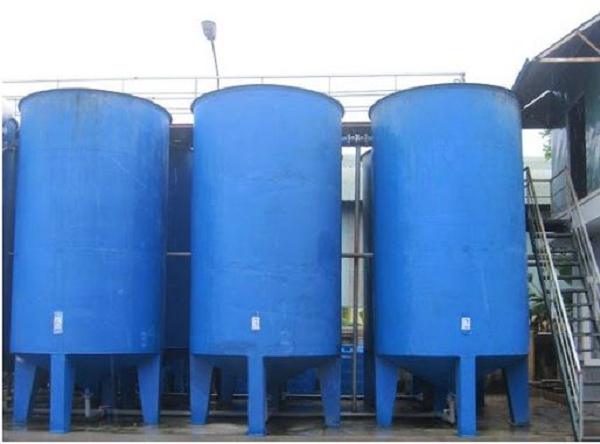
COMPOSITE CHEMICAL TANK
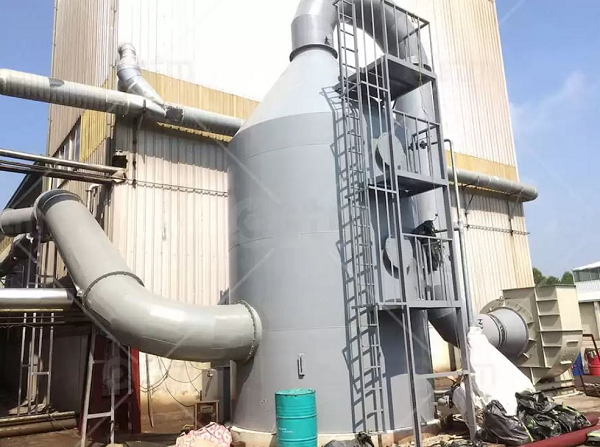
Chemical storage tanks provide a robust solution for storing highly corrosive chemicals. Previously, carbon steel was widely used for fabricating chemical tanks. However, with advancements in science and technology, fiberglass reinforced plastic (FRP), also known as composite material in Vietnam, has become the predominant choice. FRP offers superior properties including high corrosion resistance, non-conductivity, lightweight, moisture resistance, slow burning, and waterproofing. However, the cost is generally higher compared to carbon steel.
☞ Construction of composite chemical storage tanks:
These tanks consist of reinforced materials (reinforcement) and a base plastic layer (matrix) blended together to enhance bonding, scratch resistance, and corrosion resistance.
- Mineral fiber group: Fiberglass, carbon fiber, ceramic fiber.
- Stable heat-resistant synthetic fiber group: Nomex fiber, kermel fiber, apyeil fiber, kynol fiber.
For detailed product consultation, please contact us.
☞ Physical properties
- Tensile strength (kg/m2): 8 ~ 18 kg/m2
- Density (kg/m3): 1.4 ~ 1.9 kg/m3
- Compressive strength: 12 ~ 22 kg/mm2
- Tensile modulus: 750 ~ 1500 kg/mm2
- Flexural modulus: 650 ~ 1500 kg/mm2
- Flexural strength: 20 ~ 30 kg/mm2
- Ignition point: 0.29 ~ 0.32 kcal/kg oC
- Thermal resistance: -50 ~ +120oC
- Linear expansion coefficient: (15~) x 10-6/ oC
- Thermal conductivity: 0.2 ~ 0.3 kcal/mh oC
☞ Description:
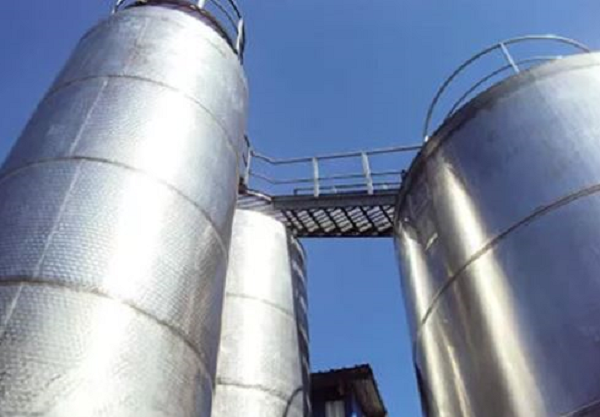
- Chemical storage tank capacities typically range from 1m3 up to 1.500m3.
- Tanks designed for acids require special consideration due to their highly corrosive nature and potentially toxic fumes.
- Common chemicals stored in FRP composite tanks include acids (H2SO4, HCl, HNO3, etc.), NaOH, KOH, petroleum products, solvents, dyes, chemical fertilizers, industrial adhesives, electroplating chemicals, and rubber compounds.
- FRP composite tanks offer exceptional corrosion resistance and are available in capacities ranging from 1 to 1.500 cubic meters.