WASTEWATER TREATMENT SYSTEM FOR WOOD INDUSTRY
1. Wood processing industry
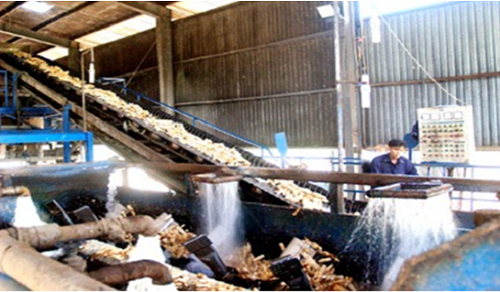
- As is known that wood is a form of material existence composed mainly of basic components such as cellulose (40-50%), hemixenylose (15-25%), lignin (15-30%) and some other substances. It is harvested from tree species.
- The quality of Vietnamese wooden products has always been improved, able to compete with other countries in the region
2. Wastewater origin in wood processing industry
- The process of wood boiling, wood immersion: For the purpose of killing wood bacteria, the amount of wastewater discharged is small but toxic due to the presence of impregnated chemicals and ligin.
- Spraying process: using a water-film absorption chamber to retain paint dust and a part of solvent vapors, as a feature of production wastewater is contaminated with solvent vapors, containing a lot of paint dust, oil film, etc is characterized by mild pollution so it is easy to handle.
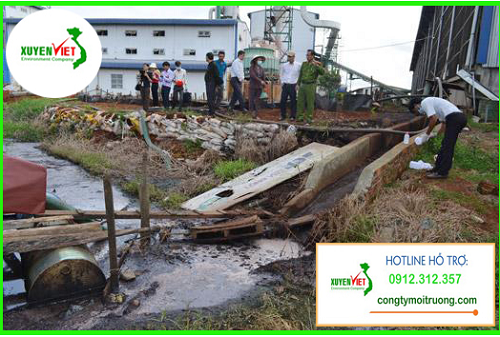
- Through employees activities such as eating, drinking, cleaning, etc containing ingredients such as TSS residue, suspended solids (SS), organic matter (BOD, COD, pathogenic microorganisms). The agents causing problems in the process are nitrogen and phosphorus. Therefore, wastewater treatment for wood processing is of utmost importance.
3. Technology scheme of wastewater treatment system for wood processing:
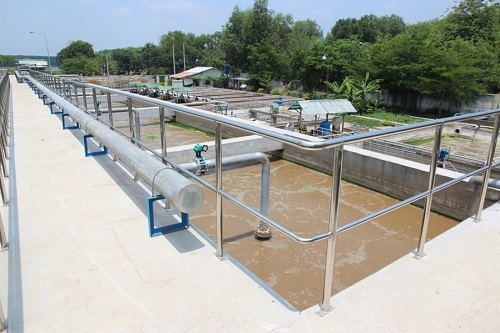
- Conditioning tanks: Wastewater during wood production is conducted in transmission pipes and dumped into the river system to block the garbage, in order to keep the solid waste in the wastewater, avoiding pump problems.
- Anoxic Tank And Aerotank Tank: Anoxic tank combined with Aerotank is ed for general treatment. In Aerotank tanks, microorganisms in Aerotank tanks will be added periodically. These microorganisms will decompose organic matter into the end product of carbon dioxide and water, reducing the concentration of dirt in the wastewater. In the Aerotank tank, there are more contact materials to increase the chance of contact between microorganisms and wastewater, and is the environment for microorganisms to grow and adhere. Dissolved oxygen will be supplied from the blower through a distribution tube system. The BOD removal efficiency of Aerotank is reduced about 80 - 85% compared to the input. Therefore, by this time, the wastewater has been mostly cleaned.
- Sedimentation tank: Wastewater continues to be led to Sedimentation tank 2 to separate biological sludge, where most of bio-sludge (activated sludge) in wastewater will be deposited to the bottom of the equipment. A part of sludge after sedimentation will be circulated to the aerobic biological tank to ensure a stable amount of sludge for microorganisms to operate. The wastewater after passing through the sterilization tank meets the QCVN 40: 2011 / BTNMT standard
If you have any question or need more details, we are always ready to help!