STABLE COMPRESSED AIR FOR ACCURATE LASER CUTTING
Compressed air is an important utility for laser metal cutting. Air pressure and air quality affect cutting speed, cut-surface quality, cutting-head life and overall system performance.
SIGC provides compressed-air solutions for fiber and CO2 laser cutting machines, including equipment ion, system design, installation, maintenance and operating optimization.
.png)
1. Role of compressed air in laser cutting
Compressed air helps remove molten material from the cutting path, cool the processing area and protect the laser head from dust, metal vapor and contaminants.
A stable supply supports sharper cuts, less burr formation, higher processing speed, lower reject rates and longer equipment life.
2. System requirements
· Stable working pressure.
· Flow rate matched to laser machine capacity.
· Clean air with controlled moisture and particles.
· Continuous-duty operation.
· Energy-efficient and low-noise performance.
· Easy inspection and maintenance.
· Expandable configuration for future production growth.
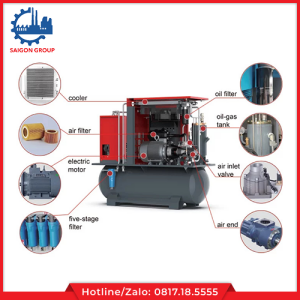
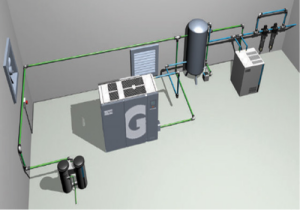
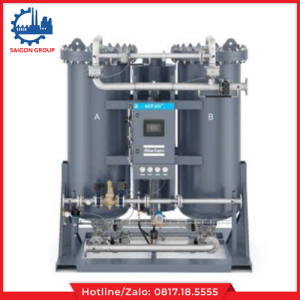
· A complete system may include an air compressor, refrigerated dryer, air receiver, multi-stage filters and compressed-air piping.
3. Solutions supplied by SIGC
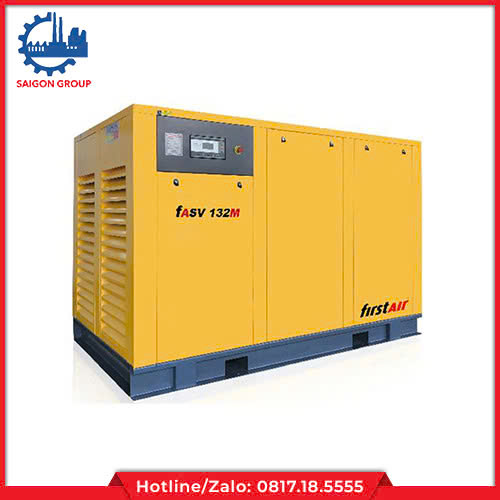
· Oil-lubricated rotary screw compressors.
· Variable-speed compressors.
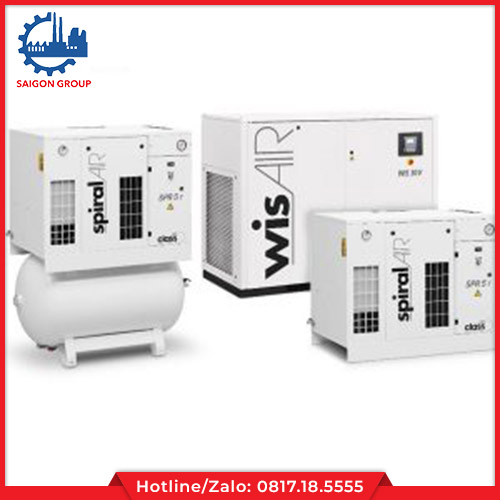
· Oil-free compressors for applications requiring higher air purity.
· Integrated compressor and air-receiver packages.
· Refrigerated air dryers, multi-stage filters, receiver tanks and compressed-air piping.
· The reviewed source lists Chicago Pneumatic, Hitachi, Mark, Bumatec and WisAIR Oil Free among the brands supplied.
4. Laser applications and buyer groups
· Fiber laser cutting machines.
· Sheet-metal, stainless-steel, carbon-steel, aluminum, copper and tube laser cutting.
· CNC laser cutting.
· Precision metalworking, structural steel, machinery fabrication, metal furniture, electrical equipment, cable-tray production and sheet-metal processing.
5. Business benefits
· Higher cutting speed and production output.
· Improved cut quality and lower scrap rate.
· Protection of the laser head and critical components.
· Lower electricity and maintenance costs.
· Stable long-term operation and easier future expansion.
· Correct capacity ion avoids under-sized or over-sized compressor investment.
6. SIGC project scope
· Plant survey and air-demand assessment.
· Flow and pressure calculation.
· Compressor ion and system design.
· Equipment supply and installation.
· Integration of dryer, receiver and filters.
· Testing, commissioning and handover.
· Scheduled maintenance, spare-parts and technical support.
7. Implementation process
· Receive laser-machine data and production requirements.
· Survey the existing system.
· Calculate required flow and pressure.
· Recommend a solution and issue a quotation.
· Install, connect, test and commission the system.
· Provide operating, maintenance and technical guidance.
.png)
Frequently Asked Questions
Is an air compressor required for laser cutting?
For many fiber and metal-cutting laser machines, compressed air supports the cutting process and protects the cutting head.
Should the system use an oil-lubricated or oil-free compressor?
The choice depends on the application. Most metal-cutting systems use treated compressed air higher-purity applications may require an oil-free compressor.
What equipment is normally included?
A complete system generally includes the compressor, receiver tank, air dryer, filters and distribution piping.
Contact for Consultation
For product choosing, system survey, technical consultation and quotation, please contact Saigon Industry Group Corporation (SIGC) through the contact details shown on the company listing.


.jpg)
