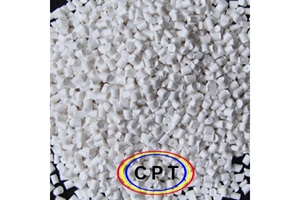
PVC COMPOUND COATED ELECTRICAL CABLES
1. PVC: A Brief Overview
PVC, or Polyvinyl Chloride, is a versatile synthetic resin that is commonly used in a wide range of applications. It is a solid, odorless plastic, most often appearing white, but can also be colorless or amber. PVC was first synthesized in 1835 but was not produced on an industrial scale until 1937.
2. Classification and Properties
- PVC exists in two forms: white powder or granules.
- PVC is formed by polymerizing vinyl chloride monomers.
- To improve flexibility, plasticizers such as phthalates are added during the manufacturing process.
- While PVC itself is non-toxic, impurities like residual vinyl chloride monomer can be harmful. During processing, PVC can release hydrogen chloride, which can affect its impact strength.
- To enhance impact strength, additives like MBS, ABS, CPE, and EVA are often incorporated at a ratio of 5-15%.
3. Key Characteristics of PVC:
- Composition: PVC is produced by polymerizing vinyl chloride monomers.
- Plasticizers: To make PVC more flexible, plasticizers like phthalates are added.
- Durability: PVC offers good resistance to chemicals, weather, and corrosion.
- Insulation: PVC is an excellent electrical insulator, making it ideal for applications in the electrical and electronics industry.
- Cost-effectiveness: PVC is relatively inexpensive to produce.
4. Table Specifications:
| PARAMETTER |
GRADE |
| Standard: GB5761-2006, GB4803-1994 |
SG3 |
SG5 |
SG7 |
SG8 |
| K value |
71-72 |
66-68 |
60-62 |
55-59 |
| Viscosity |
127-135 |
110-118 |
87-95 |
73-86 |
| Everage degree of polymerization |
1250-1350 |
1000-1100 |
750-850 |
650-750 |
| Number of impurity particle ≤ |
30 |
30 |
40 |
40 |
| Volatile content % ≤ |
0.40 |
0.40 |
0.40 |
0.40 |
| Apparent density, g/ml ≥ |
0.42 |
0.45 |
0.45 |
0.45 |
| Particle size |
≤ 0.25 mm |
2.0 |
2.0 |
2.0 |
2.0 |
| ≥ 0.063 mm |
90 |
90 |
90 |
90 |
| Number of Fish Eye (/400cm2) ≤ |
20 |
20 |
30 |
30 |
| Plasticizer absorbency value of 100g resin ≥ |
20 |
18 |
– |
– |
| Whiteness (160 °C, after 10 min), % ≥ |
78 |
78 |
75 |
75 |
| Conductivity of aqueous extract ⌠µs/(cm.g)⌡ ≤ |
5 |
– |
– |
– |
| Residue of VCM, mg/kg |
5 |
5 |
5 |
5 |
5. Benefits of PVC Compound Coated Electrical Cables
When PVC is used to coat electrical cables, it provides several essential benefits:
🗹 Electrical insulation: PVC acts as a barrier to prevent electric current from escaping the conductor, protecting against electric shock and short circuits.
🗹 Mechanical protection: The PVC coating protects the conductor from physical damage, such as abrasion, impact, and environmental factors.
🗹 Chemical resistance: PVC coatings can resist a wide range of chemicals, making them suitable for use in harsh environments.
🗹 Flame retardancy: PVC compounds can be formulated with flame retardants to meet specific safety requirements.
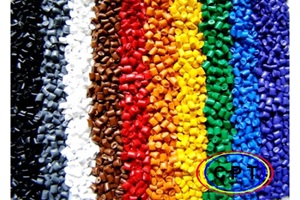
🗹 Color coding: PVC coatings can be colored to identify different types of cables or circuits.
6. Applications of PVC Coated Electrical Cables
PVC-coated electrical cables are used in a wide range of applications, including:
→ Building and construction: Wiring for residential, commercial, and industrial buildings
→ Automotive industry: Wiring for vehicles
→ Electronics: Wiring for electronic devices
→ Telecommunications: Wiring for telephone and data networks.
In conclusion, PVC compound coated electrical cables offer a combination of properties that make them a reliable and cost-effective choice for a wide range of applications. Their electrical insulation, mechanical protection, and chemical resistance make them an essential component in modern electrical systems.