CARBON DIOXIDE GAS (CO₂)
Viet Nga Specialty Gases Joint Stock Company has been a trusted supplier since 2016, providing a wide range of industrial gases, including carbon dioxide (CO₂).
1. What is CO₂?
CO₂, also known as carbonic anhydride, carbon dioxide, carbonic gas, has a slightly sour taste and is colorless under normal conditions. When rapidly cooled, CO₂ transforms into a solid form known as dry ice, which sublimates directly into gas at -78.5°C (-109.3°F) without melting.
To produce dry ice, CO₂ gas is compressed into liquid form, the heat generated by compression is removed, and the liquid CO₂ is allowed to expand rapidly. This lowers the temperature, causing part of the CO₂ to freeze into “snow,” which is then compressed into pellets or blocks.
When a flame comes in contact with carbon dioxide gas, it is extinguished immediately however, metals such as magnesium and zinc can reduce CO₂, forming metal oxides and carbon soot.
CO₂ exhibits the typical chemical properties of an acidic oxide:
-
In water, CO₂ reacts to form carbonic acid, a very weak diacid.
-
CO₂ reacts with basic oxides to form salts, under thermal catalysis.
-
CO₂ reacts with alkaline solutions to form salts and water.
-
CO₂ is chemically stable but partially decomposes at high temperatures and can react with strong reducing agents.
2. Sources of CO₂
Carbon dioxide is generated from various sources, including:
-
Volcanic eruptions, releasing CO₂ into the atmosphere.
-
Combustion of organic compounds and aerobic respiration of living organisms.
-
Microbial fermentation and cellular respiration in which plants absorb CO₂ for photosynthesis, producing carbohydrates and releasing oxygen, while heterotrophic organisms respire oxygen and emit CO₂, forming a natural cycle.
-
Decomposition of animal remains, which also generates CO₂.
-
Industrial emissions from fuel combustion, vehicle exhaust, household cooking, and deforestation.
-
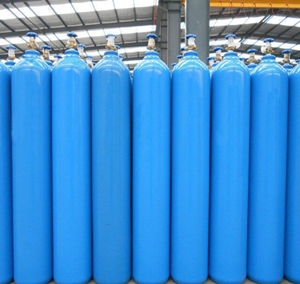
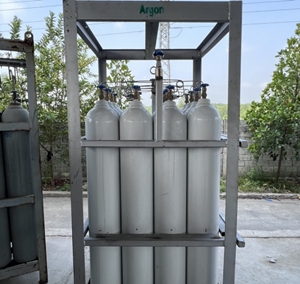
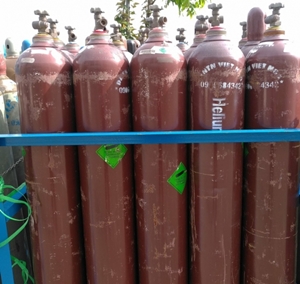
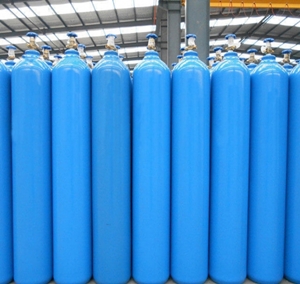
In industry, CO₂ is produced from gases generated during alcohol fermentation, fat decomposition, ammonia synthesis, methanol production, or collected from industrial coal-fired emissions. CO₂ is stored in black cylinders with yellow inscriptions or, for large quantities, in cryogenic tanks.
3. Applications of CO₂
-
Food industry: CO₂ is compressed into dry ice for storage and preservation of frozen products.
-
Beverage industry: CO₂ is used to carbonate soft drinks such as Pepsi, Coca-Cola, and 7-Up.
-
Pressurizing agent: Carbon dioxide is a low-cost, non-flammable propellant, used in life jackets, paintball guns, air rifles, and mineral water production.
-
Firefighting: Liquid CO₂ is stored in fire extinguishers for electrical and flammable fires.
-
Coal mining: Rapid evaporation of liquid CO₂ can cause controlled explosions.
-
Welding technology: CO₂ is used as a shielding gas, though it produces more brittle welds compared to inert gases like argon or helium.
-
Solvent use: Liquid CO₂ is an effective solvent for many organic compounds and is used as a less toxic alternative to organic chlorides, for example in caffeine extraction from coffee.
-
Medical applications: CO₂ mixed with oxygen aids in post-respiratory arrest therapy to stabilize blood gas balance.
-
Laser technology: CO₂ lasers use carbon dioxide as the lasing medium.
-
Oil extraction: CO₂ is injected into oil wells as a compressive agent, reducing crude oil viscosity and facilitating flow.
-
Agriculture: CO₂ enrichment in greenhouses accelerates plant growth as it is the primary raw material for photosynthesis.
4. Is CO₂ toxic?
-
CO₂ is not inherently toxic, but at high concentrations, it can cause shortness of breath, fatigue, nervous stimulation, tachycardia, and other disorders.
-
Excess CO₂ reduces protein synthesis in plants, which impacts herbivores and disrupts ecosystems.
-
Excess atmospheric CO₂ exacerbates the greenhouse effect, global warming, and threatens human and ecological health.
5. Hazards of CO₂
Human activities such as coal burning, natural gas consumption, fertilizer and cement production, and other industrial processes continuously release CO₂, increasing atmospheric concentration.
While not highly toxic, elevated CO₂ levels displace oxygen, posing serious health risks.
6. First aid for CO₂ exposure
-
Move the victim to a higher and well-ventilated area, as CO₂ is heavier than air.
-
Call for emergency medical support if life-threatening conditions are suspected.
-
Only trained personnel should administer oxygen therapy to victims of CO₂ inhalation.
7. Handling and storage of CO₂
During use:
-
Use pressure regulators with heating elements to prevent gas line blockage by freezing.
-
Use valved breathing masks only if properly trained.
-
Install gas detection systems for safety.
During storage:
-
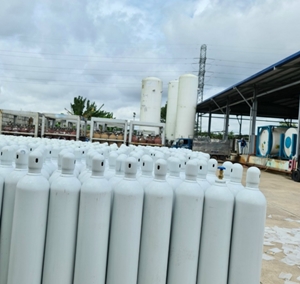
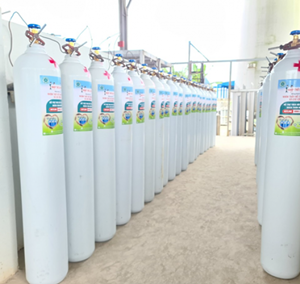
Store CO₂ in sealed, pressure-rated cylinders or insulated cryogenic tanks.
-
Liquid CO₂ must not exceed 0.625 kg/L in cylinders or 0.9 kg/L in tanks.
-
Avoid impact or heat exposure, and ensure dedicated cooling systems for long-term storage.
-
During transport, lay cylinders horizontally, align valves in one direction, place cushioning between cylinders, and use covered vehicles.
Contact Viet Nga today to purchase high-quality CO₂ gas at competitive prices.